Showing posts with label Summer. Show all posts

Friday, August 28, 2015

7 Ways to Have a Blast WITHOUT Hurting Animals

Posted August 27, 2015 by Diana Mendoza
There are a few things we need to talk about—like what counts as entertainment and what DOESN’T. While we can spend our summer days being carefree and eating vegan ice cream, animals held captive in zoos, circuses, and marine parks NEVER get a vacation. :(
Newman what reaction gif
Captive elephants, tigers, orcas, dolphins, bears, and other animals might have been stolen from their homes and families in the wild. They may be beaten with bullhooks or shocked with electric prods. Kept in incompatible groups, some may be bullied by other animals, and some may become so stressed from being confined to tiny cages, tanks, or pits that they attack people. Check out our list of what counts as entertainment and what definitely doesn’t.

ENTERTAINMENT: HIKING

hiking in nature
If you’re jonesing to get some one-on-one time with nature, you need to hit the trails ASAP. Spend a day in the woods, hike to a waterfall, or wander through a canyon and listen to the soothing soundtrack of birds chirping, the wind blowing, or the trickle of a flowing stream. Many state parks—some of which also serve as protected habitats for endangered plants and animals—offer a variety of scenic trails for all skill levels that will allow you to observe nature in all its glory. Bonus points if you catch a beautiful sunrise or sunset!

NOT: ZOOS

Seeing animals in cages tells you very little about their species and how they behave in the wild, since their needs are rarely met in captivity. Zoos often breed animals primarily because cute babies attract more visitors—not because they’re trying to preserve the species. Most animals born in captivity are never released into the wild.

ENTERTAINMENT: MUSIC FESTIVALS

warped tour orca crowd surfing
Our favorite tour ever, Warped Tour, has vendors, a ton of talented bands that WANT to perform for you, and, of course, the peta2 booth—where we give out loads of free stickers, DVDs, and more. Warped Tour not going through your town? Chances are, there are probably about a million other music festivals happening nearby where you can go rock your face off without exploiting animals. It’s a win-win situation!

NOT: CIRCUSES

Lions and Tigers Standing
Buying a ticket to a circus that uses animals directly supports the physical, emotional, and mental abuse of animals. Think about it: Tigers are naturally afraid of fire, yet in circuses, they’re forced to jump through rings of fire. So … how scared must they be of their trainers for them to do that?! Footage has shown that big cats are whipped, smacked, and yelled at during training. Definitely NOT entertainment.

ENTERTAINMENT: MOVIE NIGHT

Sometimes, we just want to relax on the couch with a giant bowl of popcorn and some delicious accidentally vegan candy and watch all the Harry Potter movies in a row. Get your snack on and enjoy a night in—bonus points if you watch some cool animal documentaries! Here’s a list of our faves.

NOT: BUYING TICKETS TO MOVIES THAT USE ANIMALS

chubbs bored
Unlike humans, no great ape ever dreams of becoming a star of the big screen. For chimpanzees and orangutans, performing is stressful and confusing. In order to force young apes to perform on cue, trainers often strike the animals with their fists, clubs, or even broom handles. The presence of American Humane Association representatives on set is no guarantee that the animals weren’t exploited, hurt, or even killed, as inspectors don’t monitor the animals’ living conditions or preproduction training.

ENTERTAINMENT: WHALE WATCHING

You can experience the mind-blowing beauty of marine life up close by taking a boat ride out to sea for some whale watching. Many boating expeditions that take you out on the water to observe marine animals are surprisingly inexpensive. Before booking, ask about the company’s code of conduct to ensure that the operation is responsible and doesn’t put animals at risk. A day on the water might include spotting a variety of animals—like sea lions, otters, whales, curious dolphins (who’ve been known to follow alongside boats), pelicans, bald eagles, and others—as they’re meant to be: free in the wild.

NOT: MARINE PARKS

SeaWorld orca collapsed dorsal fin
So … orcas are really smart and can swim, like, 100 miles a day. How’s THAT for a star athlete, eh?! Too bad orcas at SeaWorld and other marine parks are forced to live in concrete bathtubs, where they can only swim in endless circles when they’re not being forced to perform stupid tricks.

ENTERTAINMENT: ANIMAL SANCTUARY

alejandro-at-sanctuary
A trip to an animal sanctuary is a definite MUST for true animal lovers. Meet some rescued animals and learn about their stories and what you can do to help them and others like them in the future. Don’t be duped by unscrupulous posers—only support facilities that are accredited by the Global Federation of Animal Sanctuaries.

NOT: ROADSIDE ANIMAL DISPLAYS

bears-bored-in-park
The stress that animals living in unnatural environments in roadside zoos endure can cause abnormal and self-destructive behavior such as swaying, pacing, and even self-mutilation. This behavior rarely happens in the wild but is regularly seen in animals who are confined to zoos. This is referred to as “zoochosis,” a disturbing and unnatural psychological condition.

ENTERTAINMENT: THE BEACH

Claim your spot on the sand and bust out a good book, because the beach is all about relaxing! Get comfortable and spend some time soaking up the sun with friends or family, paddle out and catch some surf, or just chillax.

NOT: MARINE PARKS

Dolphins aren't your surfboards!
If you’re a dolphin at a marine park, some trainer jerk may treat you like you’re his effing surfboard! And unlike when YOU go surfing, there’s no endless horizon in those small tanks. To get dolphins to perform dumb tricks, trainers isolate these highly intelligent and social animals or deprive them of food .

ENTERTAINMENT: SPORTING EVENTS

Round up some friends and head to the ball game—it’ll give you plenty of time to catch up with your pals, and you’ll see some amazing athletes strutting their stuff.

NOT: CIRCUSES

Trial-Unveils-Extreme-Elephant-Abuse-by-Ringling-Bros.-Circus-Action-Featured-e1425667991484
The Ringling Bros. circus tears baby elephants away from their mothers, The young elephants are bound, forced to the ground, threatened with bullhooks, and chained to break their spirit and force them to perform confusing and dangerous tricks. SO HEARTBREAKING!
Animals are not ours to use for entertainment. Pledge never to go to zoos, marine parks, or animal circuses. If we don’t take action, nothing will change.


Read more: http://www.peta2.com/blog/cruelty-free-vacation-ideas/#ixzz3kAQHJvNH

Friday, July 24, 2015

The WORST Jobs to Have at SeaWorld


Profile photo of Emilyr
Posted July 23, 2015 by Emily Rohr
Do you have a summer job that you think blows? Maybe you think being a student takes the (vegan) cake as the absolute worst job. Well, whatever you’re doing this summer, it can’t be bad compared to this list of the top 10 worst things that you could be doing if you were unlucky enough to work at SeaWorld.
1. Feeding gelatin (made from animal bones) to the orcas trapped at the park: This isn’t natural AT ALL. Gelatin is only fed to the orcas because it keeps them hydrated—something that the unnatural diet they’re fed in captivity doesn’t do.gelatin

2. Removing dead orcas from their prison-like tanks: 36 orcas have died thus far at SeaWorld, and every one of them was under than the age of 30. In the wild, orcas live much longer—one is over 100.
Lives Stolen from SeaWorld infographic preview

3. Hauling stressed-out penguins around the country to use in promotional displays so that SeaWorld can make more $$: Just FYI, this climate isn’t where penguins belong, and making money isn’t their goal in life.
penguin
4. Covering the skin of sunburned orcas with black zinc oxide to hide burns and blisters from the public: Orcas at SeaWorld are easily burned because the water is artificially clear and the tanks at the abusement park are so shallow that the orcas have no way to dive deep enough to escape the sun’s burning rays.
5. Lying to people, telling them that collapsed dorsal fins are normal for orcas, regardless of whether they’re wild or captive: Ain’t no one buying this one since the dorsal fins of all male orcas in captivity eventually collapse, while only about 1 percent of males in the wild have collapsed dorsal fins.

6. Separating baby orcas from their mothers: Orcas in the wild live in close-knit pods. At SeaWorld, orcas are torn away from their mothers for breeding purposes and to bring in revenue. Some mother orcas in captivity scream out in distress when their babies are taken.

7. Being one of the many unhealthy captive animals who are forced to perform at SeaWorld against their will: Be thankful to be you, because you could be Corky, an orca at SeaWorld who is reportedly blind in her left eye and whose upper and lower teeth are worn and decayed.
Even though the humans working for SeaWorld have disgusting jobs, the marine park is the worst for the animals trapped there—they never even get a day off when they can return to their homes in the wild. Orcas suffer mentally and physically just to line SeaWorld’s pockets. The good news is that you can help the animals suffering at SeaWorld. Please say NO to SeaWorld and its enslavement of animals by refusing to buy a ticket to this orca hell, and ask the marine park to develop seaside sanctuaries for the animals it holds captive. ♥

No Chains. No Cages. No Tanks.


Read more: http://www.peta2.com/blog/seaworld-jobs/#ixzz3gpKyl19V

Sunday, July 19, 2015

How Long Could You Survive Inside This Hot Car?

Posted July 15, 2015 by Megan Rondeau
Every summer, thousands of dogs suffer and die when their guardians leave them inside a parked car. It might be for “just a minute” while they run inside the gas station or pop into a store, but it could result in tragedy.
NFL free safety Tyrann Mathieu is a huge animal lover, so when he heard about the dangers of leaving dogs inside hot cars, he jumped into action. How long do you think you could last inside a car that’s baking in the summer heat? Five minutes? Six? Mathieu accepted the challenge—and the results are shocking …
Even on a mild 73-degree day, the temperature inside a parked car can reach 120 degrees in minutes. Dogs aren’t equipped to handle such high temperatures. Unlike humans, they can’t sweat to cool themselves off—and while you can take off your jacket or roll up your sleeves, dogs wear permanent fur coats 365 days a year. Animals can suffer and die from heatstroke in just 15 minutes, even with the car’s windows partially rolled down. Parking in the shade and leaving water in the vehicle won’t help.  If You See a Dog Locked Inside a Hot Car - Take down the vehicle’s make, model, color and license plate number, and have the owner paged in the nearest buildings. Call local humane authorities or the police immediately. Call 911 if the animal is in distress. Don’t leave the scene until the situation has been resolved. If you can’t find the owner, the authorities are unresponsive or too slow, and the dog’s life appears to be in imminent danger, find a witness (or several) who will back up your assessment, and take steps to remove the suffering animal from the car. Wait for the authorities to arrive.

Friday, July 10, 2015

Mutilating Dogs for "Beauty"

Mutilating Dogs for "Beauty"

Profile photo of kjohnson
Posted February 18, 2015 by Kim Johnson
Humans can choose whether or not to have cosmetic surgery, but dogs aren’t so lucky. People choose for them, and they’re often forced to undergo painful and unnecessary procedures such as ear-cropping and tail-docking. Some veterinarians still perform these painful surgeries at the owner’s request, just to make dogs look more menacing or to give certain breeds more “desirable” physical traits, such as stubby tails or pointy ears.
Sugar's ears were likely "cropped" at home by untrained individuals without anesthesia. Many people have their dog's ears cropped in efforts to make the dog look larger or more menacing.
Sugar’s ears were likely cropped at home by untrained individuals without anesthetics. Some people have their dogs’ ears cropped in an effort to make them look more menacing.
Dogs use their ears and tails to express themselves, to communicate with us, and, some say, even to communicate with other animals. For example, dogs put their tails between their legs when they’re scared and wag their tails to show happiness or other feelings. By cutting off part of dogs’ ears and tails, we’re not only changing their appearance but also limiting their ability to express their emotions.

Ear-cropping is typically performed when dogs are between 6 and 12 weeks old, and the sole purpose is to make floppy ears stand up straight. The procedure involves cutting off parts of the ears with a blade or scissors in order to change their shape. The ears are then often put into an upright position and held in place with bandages and tape until they stand up straight on their own. The trauma of this painful procedure can have a negative psychological impact on a maturing pup, and the process of taping and retaping the ears to force them to stand up can be agonizing to the dog.
Tail docking Rusty Jack Russell Terrier
Because dogs have not been shown to derive self-esteem or pride in appearance from having their tails docked (common reasons for performing cosmetic procedures on people), there is no obvious benefit to our patients in performing this procedure.
—The American Veterinary Medical Association
The idea that dogs are fashion accessories is promoted by the American Kennel Club’s dog shows, and breeders, who believe that “their” breed will be ruined if animals don’t maintain the image handed down by breed clubs decades ago. The AVMA, however, opposes ear-cropping and tail-docking when they’re done for cosmetic purposes and encourages the elimination of both from breed standards. These procedures are so inhumane that they’ve been banned in many European countries. For example, British kennel clubs outlawed ear-cropping a century ago, and in 1993, the U.K. put a stop to cosmetic tail-docking. Many vets in the U.S. also refuse to perform these procedures.

Ear-cropping is so inhumane that it has been banned in several countries.

What You Can Do

  • Support legislation that aims to outlaw these cruel practices.
  • Love dogs for who they are! Don’t try to alter their appearance to fit in with a trend or to meet an arbitrary “breed standard.”
  • Share this info with your friends and family. Spread the word that tail-docking and ear-cropping are painful and that cosmetic surgery on dogs is cruel.
  • Like tail-docking and ear-cropping, declawing cats is also painful and unnecessary. Learn how declawing hurts cats and never declaw an animal.
facebook share button
twitter share button

Monday, June 29, 2015

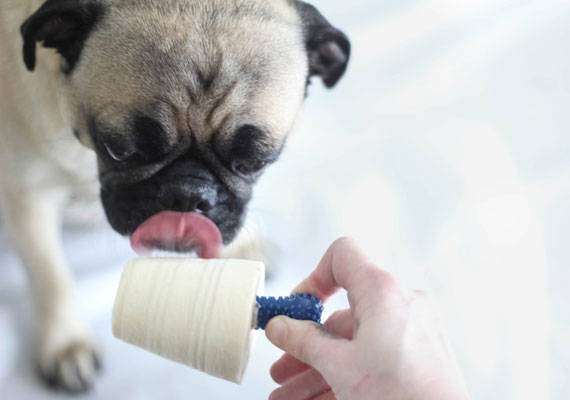
Here Are 12 Cold Treats to Make for Your Fur Babies This Summer

Here Are 12 Cold Treats to Make for Your Fur Babies This Summer


When summer gets too hot and your pups are wanting something cold to keep them cool, this perfect to look at when that time comes. Click here to see the page and see the full recipes.
1. Dogsicle

2. Fruity Froyo Pops


3. Frozen Peanut Butter Treat

4. PB & J Freezies


5. Frozen Yogurt, Bananas and Peanut Butter Treats
6. Pupsicles

7. Pops for Pups

8. PB & Fruit Ice


9. Red & Blue Pawsicle

10. Frozen Meat Treats

11. Frozen Banana Blueberry Treats

(No image selected)
12. Frosty Pumpkin

Article by:  Justine Figueroa 
All right reserved to the creators of the treats.

(Thank you Misty Weese for sharing this with me)

Sunday, June 28, 2015

Protect Your Pup From The Heat

There's nothing quite as wonderful as having your dog (or cat!) in the car seat next to you, cruising along with you as you run errands and travel. But before you head out this summer, keep in mind that keeping any pet inside a car on a hot day, even with the windows cracked, could be dangerous for the animal.

via blogs.discovery.com

The summer months can be uncomfortable—even dangerous—for pets and people. It's difficult enough simply to cope with rising temperatures, let alone thick humidity, but things really get tough in areas that are hit with the double blow of intense heat and storm-caused power outages, sometimes with tragic results. We can help you keep your pets safe and cool this summer. Follow our tips for helping everyone in your family stay healthy and comfortable when the heat is on (and even if the power isn't). Practice basic summer safety Never leave your pets in a parked car Not even for a minute. Not even with the car running and air conditioner on. On a warm day, temperatures inside a vehicle can rise rapidly to dangerous levels. On an 85-degree day, for example, the temperature inside a car with the windows opened slightly can reach 102 degrees within 10 minutes. After 30 minutes, the temperature will reach 120 degrees.
Your pet may suffer irreversible organ damage or die. Learn how to help a pet left inside a hot car » Print our hot car flyer [PDF] and spread the life-saving word » Watch the humidity "It's important to remember that it's not just the ambient temperature but also the humidity that can affect your pet," says Dr. Barry Kellogg, VMD, of the Humane Society Veterinary Medical Association. "Animals pant to evaporate moisture from their lungs, which takes heat away from their body. If the humidity is too high, they are unable to cool themselves, and their temperature will skyrocket to dangerous levels—very quickly." Taking a dog's temperature will quickly tell you if there is a serious problem. Dogs' temperatures should not be allowed to get over 104 degrees. If your dog's temperature does, follow the instructions for treating heat stroke. Limit exercise on hot days Take care when exercising your pet. Adjust intensity and duration of exercise in accordance with the temperature. On very hot days, limit exercise to early morning or evening hours, and be especially careful with pets with white-colored ears, who are more susceptible to skin cancer, and short-nosed pets, who typically have difficulty breathing. Asphalt gets very hot and can burn your pet's paws, so walk your dog on the grass if possible. Always carry water with you to keep your dog from dehydrating. Don't rely on a fan Pets respond differently to heat than humans do. (Dogs, for instance, sweat primarily through their feet.) And fans don't cool off pets as effectively as they do people.
Provide ample shade and water Any time your pet is outside, make sure he or she has protection from heat and sun and plenty of fresh, cold water. In heat waves, add ice to water when possible. Tree shade and tarps are ideal because they don't obstruct air flow. A doghouse does not provide relief from heat—in fact, it makes it worse. Cool your pet inside and out Whip up a batch of quick and easy DIY peanut butter popsicles for dogs. (You can use peanut butter or another favorite food.) And always provide water, whether your pets are inside or out with you. Keep your pet from overheating indoors or out with a cooling body wrap, vest, or mat (such as the Keep Cool Mat). Soak these products in cool water, and they'll stay cool (but usually dry) for up to three days. If your dog doesn't find baths stressful, see if she enjoys a cooling soak. Watch for signs of heatstroke Extreme temperatures can cause heatstroke. Some signs of heatstroke are heavy panting, glazed eyes, a rapid heartbeat, difficulty breathing, excessive thirst, lethargy, fever, dizziness, lack of coordination, profuse salivation, vomiting, a deep red or purple tongue, seizure, and unconsciousness.
Animals are at particular risk for heat stroke if they are very old, very young, overweight, not conditioned to prolonged exercise, or have heart or respiratory disease. Some breeds of dogs—like boxers, pugs, shih tzus, and other dogs and cats with short muzzles—will have a much harder time breathing in extreme heat. How to treat a pet suffering from heatstroke Move your pet into the shade or an air-conditioned area. Apply ice packs or cold towels to her head, neck, and chest or run cool (not cold) water over her. Let her drink small amounts of cool water or lick ice cubes. Take her directly to a veterinarian.
Prepare for power outages Before a summer storm takes out the power in your home, create a disaster plan to keep your pets safe from heat stroke and other temperature-related trouble. Second Article by: The Humane Society.